Russian Rugs on Walls: The History and Memes Behind Russian Wall Carpets

If you have ever looked at photos of old Soviet apartments, you have probably noticed a very distinct interior design choice and wondered: why do Russians put rugs on walls?

While in modern Russia hanging carpets on walls is no longer a popular trend, during the Soviet Union (especially from the mid-20th century onwards), it was a widespread tradition. You could find a Russian carpet on the wall in almost every home across Russia, Belarus, Ukraine, and other Eastern European countries.

Here is everything you need to know about this iconic piece of interior design, from its practical origins to its modern status as a legendary internet meme.

Why Do Russians Put Rugs on Walls?

The tradition of hanging a Russian wall carpet wasn't just about aesthetics; it was actually born out of strict necessity. There were three main reasons why you would find a carpet on walls in Russia:

1. Thermal Insulation Against Cold Winters Russia is famous for its brutally cold winters. During the Soviet era, millions of people lived in mass-produced, concrete block apartment buildings known as Khrushchevkas. The concrete walls of these buildings offered very poor insulation. A thick, heavy wool rug on the wall acted as an extra layer of thermal insulation, keeping the freezing temperatures out and the heat inside the bedroom.

2. Soundproofing in Thin-Walled Apartments The concrete walls in typical Soviet apartment buildings were notoriously thin. You could often hear your neighbors talking, watching TV, or arguing next door. Hanging Russian carpets on walls was the cheapest and most effective way to soundproof an apartment, granting families a little bit of desperately needed privacy.

3. A Symbol of Wealth and Status In the USSR, there was a deficit of many consumer goods. High-quality Russian carpets were expensive, hard to get, and considered a luxury item. If a family managed to buy a beautiful rug, they didn't want to ruin it by walking on it! Instead, they hung the Russian wall rug up like a painting, proudly displaying their wealth and status to any guests who visited.

Typical Russian Carpet Patterns

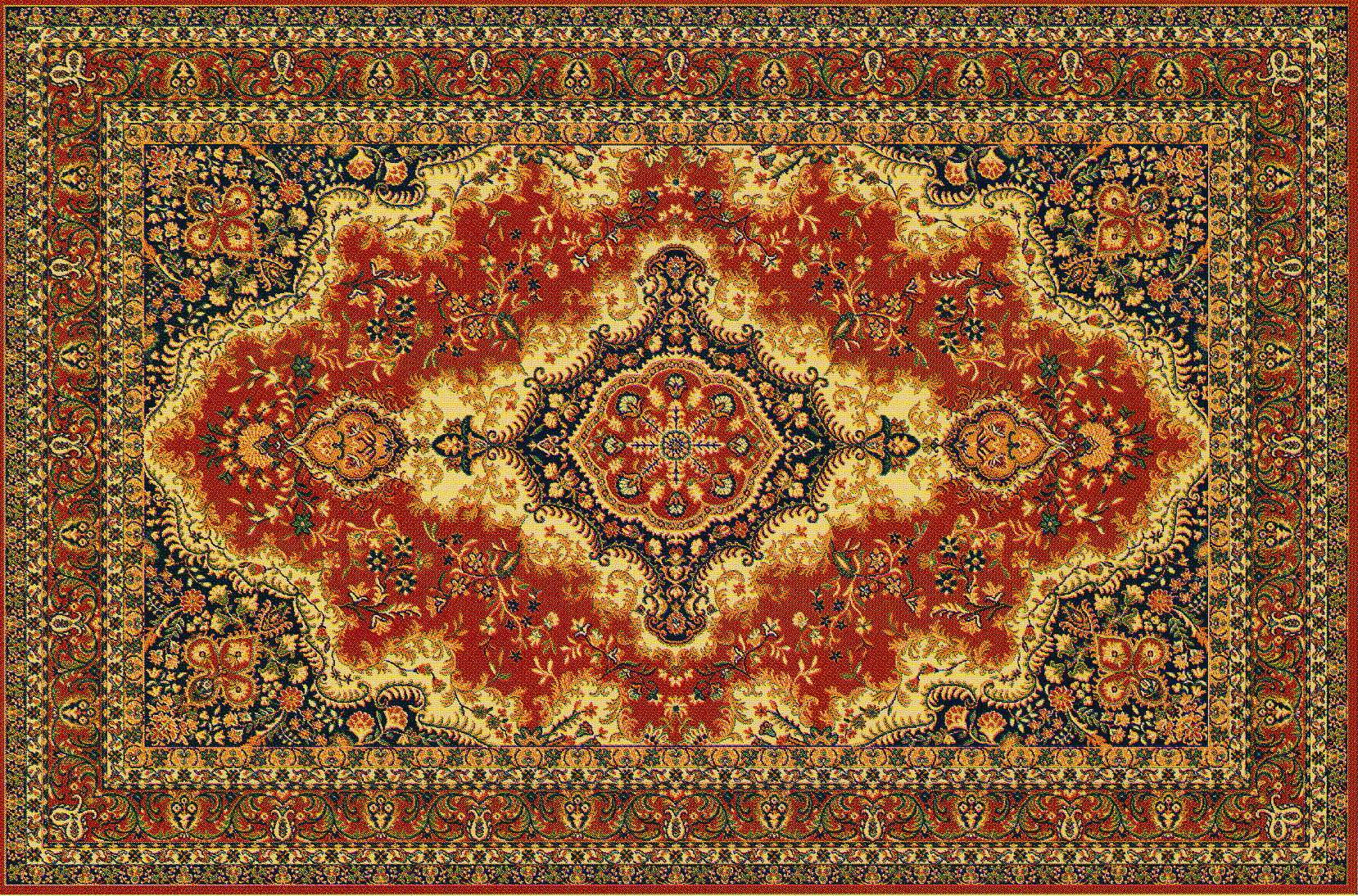
The classic Russian carpet featured intricate, usually symmetrical, floral or geometric patterns heavily inspired by Persian and Central Asian designs. Deep reds, burgundies, and dark browns were the most popular base colors.

Here is a typical Russian carpet pattern:

Classic red russian carpet pattern
Typical russian rug with central asian motifs

The Classic Soviet Interior

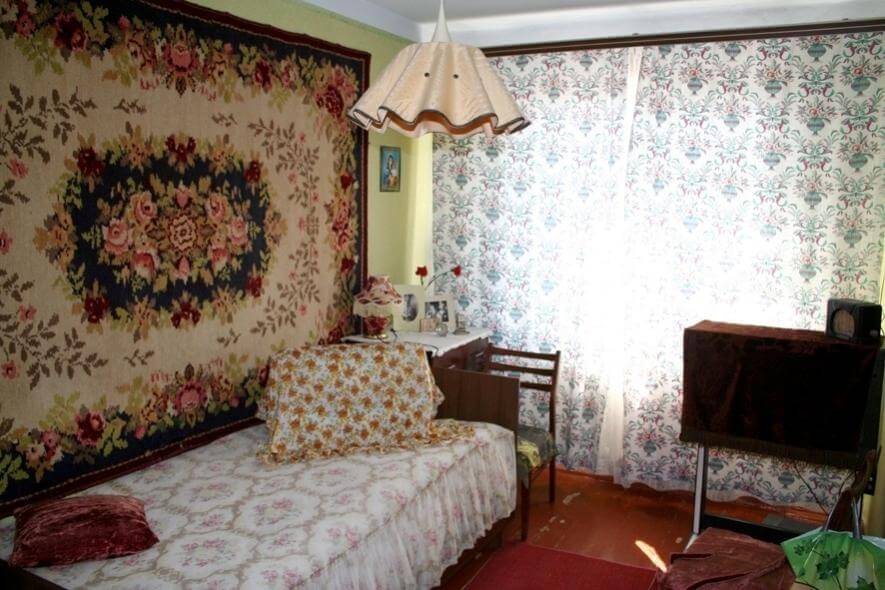
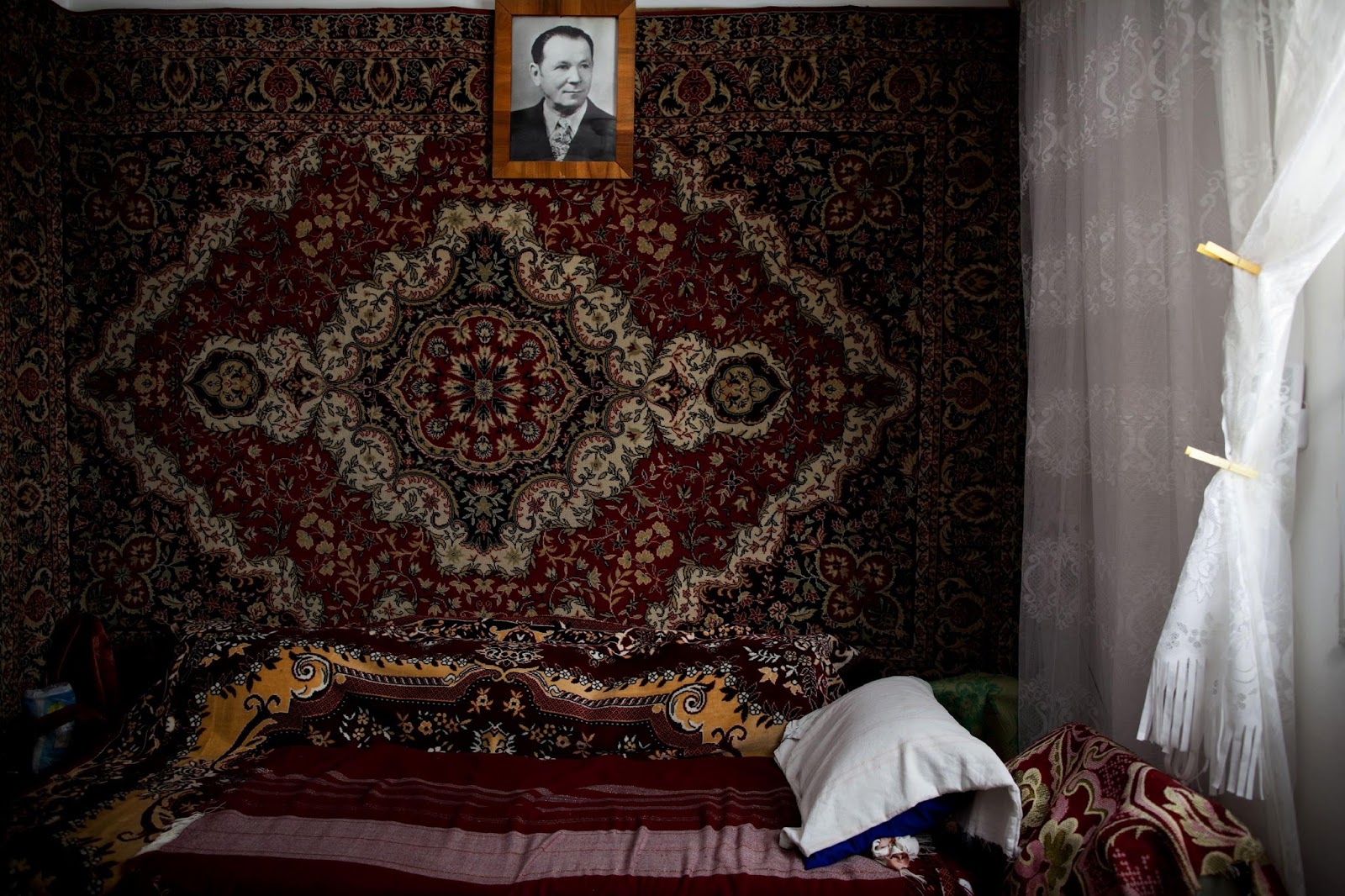
When placed into a living space, these rugs completely dominated the room. They were usually hung right next to the bed or behind the main sofa in the living room.

This is how Russian rugs looked on the walls in a typical Soviet interior:

Vintage soviet interior with a russian carpet on wall


A classic russian carpet on the wall behind a bed


The Modern Era: Russian Wall Carpets as Memes

Today, taking down the old wall carpet in Russia is seen as a rite of passage when renovating an old apartment. However, the younger generation hasn't forgotten their roots. Because many Russians love to playfully joke about themselves and their cultural stereotypes, the Russian rug wall has evolved into a massive internet meme.

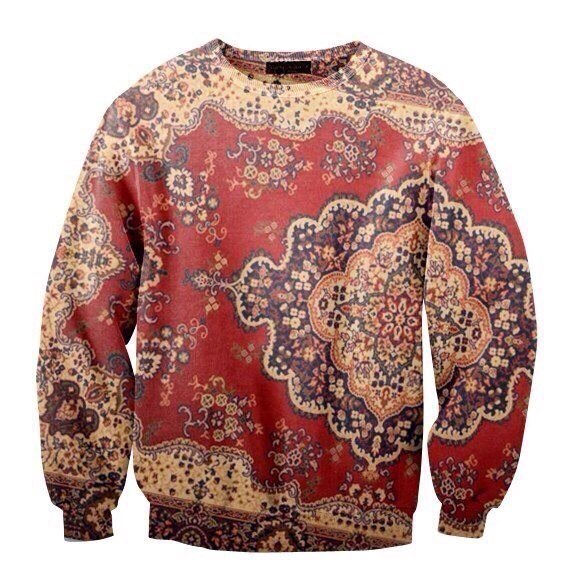
Designers and creators have made a lot of funny merchandise featuring the iconic carpet ornaments, such as this hilarious matching outfit:

A person wearing a russian carpet sweater blending into the wall

Online, the joke has taken on a life of its own. People put rugs on walls in Russia in completely absurd digital contexts. You will see people editing a classic carpet into the sky of their photos:

Funny joking avatar replacing the sky with a russian carpet

Or proudly using the aesthetic as a livestream background or video backdrop, proving that while the Russian carpet wall might be gone from modern living rooms, it lives on forever in internet culture:

Gamer using a russian carpet stream background

Leave a comment

Your email address will not be published. Required fields are marked *